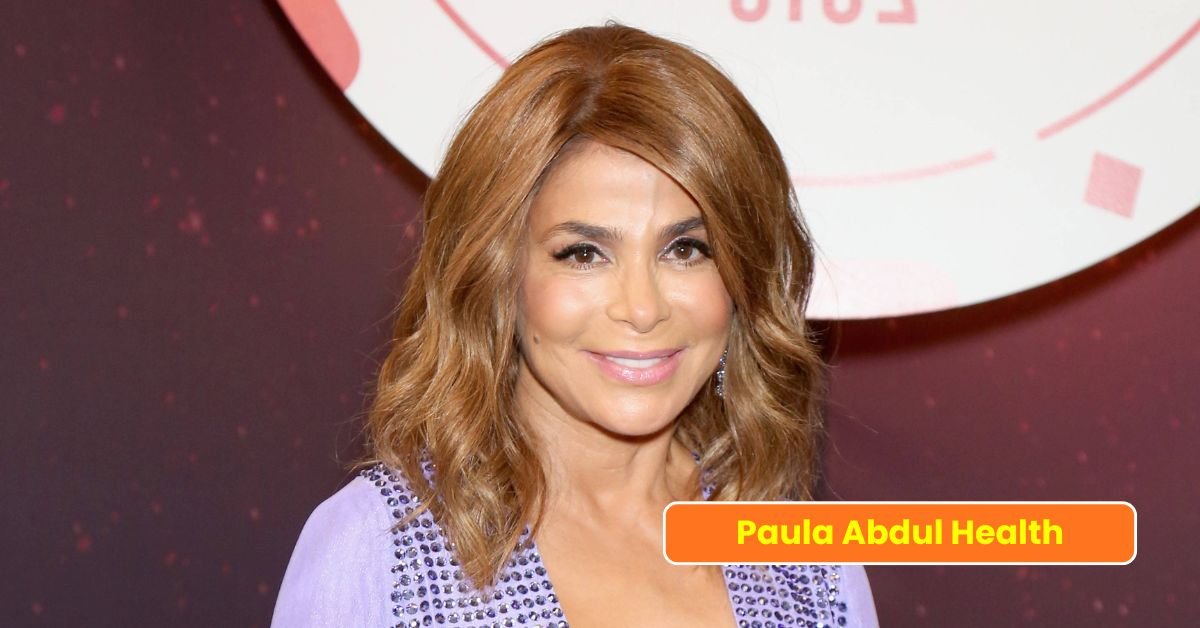

Paula Abdul’s health is back in the spotlight in 2026, and honestly, it’s not hard to see why fans are asking questions. Whenever the former American Idol judge pops up on television, at an event, or in reunion clips, people notice everything: her voice, her movement, her energy, even the way she stands. But there’s a big difference between fans being concerned and there being an actual confirmed medical update. Right now, the careful answer is this: Abdul has a long, well-documented history of injuries and chronic pain, but there is no verified public confirmation of a new 2026 health crisis.
Why Paula Abdul’s Health Is Being Discussed Again
Paula Abdul has been part of pop culture for so long that viewers feel like they know her. First as a Los Angeles Lakers cheerleader, then as a choreographer, then as a chart-topping singer, and later as the warm, emotional counterweight on American Idol. She has lived a very physical career. Dancing was never just a side feature for her. It was the engine.
That matters because when fans see her now, they often compare her to the high-energy performer they remember from the Straight Up and Cold Hearted era. That version of Abdul was all sharp turns, quick steps, big hair, big hooks, and full-body choreography. Time passes, bodies change, injuries add up. Simple as that.
The renewed concern appears to be tied to recent public interest in American Idol alumni and reunion-style appearances involving familiar faces from the show’s early years. Abdul remains closely associated with the franchise, and her profile on the official American Idol page at ABC still reflects how deeply linked she is to the programme’s original identity.
What Is Known About Paula Abdul’s Past Health Issues
Abdul has previously spoken about the toll her dance career took on her body. Over the years, she has discussed chronic pain, injuries, and the physical impact of performing through demanding choreography. She has also publicly connected some of her pain issues to accidents and old injuries.
Her health history has often been talked about through the lens of pain management, movement, and recovery rather than one single condition. That is an important distinction. The public sometimes wants a neat explanation: one illness, one diagnosis, one headline. Real life is usually messier.
For readers trying to understand chronic pain more generally, the U.S. National Library of Medicine’s MedlinePlus resource on chronic pain explains how long-term pain can affect daily life, energy, movement, and emotional health. The National Institute of Arthritis and Musculoskeletal and Skin Diseases also offers a useful official guide to back pain, which is one of the most common physical issues linked to injury, age, and repetitive strain.
Why Fans Are So Protective Of Her
Paula Abdul occupies a strange and very specific place in entertainment memory. She was glamorous, but never cold. Famous, but somehow still approachable. On American Idol, she often played the role of the judge who cared about contestants as human beings, not just performers. That made viewers protective of her.
So when her name starts trending with the word “health,” the reaction tends to be emotional. People remember her crying with contestants, defending nervous singers, and trying to soften the tension between Simon Cowell’s sharp criticism and Randy Jackson’s industry-minded feedback.
That connection can make ordinary changes seem alarming. A slower walk, a quieter voice, a tired expression, a different posture. On social media, those small things can turn into big theories within minutes. And, let’s be real, the internet is not exactly known for patience or medical restraint.
The Problem With Diagnosing Celebrities From A Screen
This is where the story needs a little caution. Fans may be sincere, but screenshots and short video clips are not medical records. A celebrity can look tired for a hundred reasons. Travel, lighting, camera angles, makeup, stress, age, medication, old injuries, or just a long day.
That doesn’t mean concern is wrong. It means certainty is risky.
Health speculation around public figures often moves faster than verified information. One person posts, “She looks unwell,” another adds, “Something must be wrong,” and suddenly the internet is treating a guess like breaking news. That’s unfair to the person at the centre of it.
Abdul has earned plenty of curiosity because she has been famous for decades. But she still deserves the same privacy and basic fairness anyone else would want. Unless she or her representatives confirm something, claims about a new 2026 condition should be treated as unverified.
Her Career Was Built On Physical Intensity
To understand why her health history gets attention, you have to understand what Abdul’s career demanded from her body. Before she became a household-name singer, she was already known as a choreographer. Her work helped define a slick, high-energy style that shaped late-1980s and early-1990s pop performance.
That kind of work is not gentle. Dancing at a professional level can involve repetitive impact, twisting, falls, long rehearsals, and pressure to keep performing even when something hurts. The U.S. Centers for Disease Control and Prevention notes through its official physical activity guidance that movement is important for health, but injuries and limitations can affect what kinds of activity are safe or realistic for each person.
Abdul’s public image was built around motion. That’s part of why fans react so strongly when they perceive any change. The woman they remember was always moving.
What Paula Abdul Is Known For Beyond The Health Headlines
It would be a shame if every conversation about Abdul in 2026 became a health-watch thread. Her career is much bigger than that. She has been a dancer, choreographer, singer, television personality, and mentor. Her official website, PaulaAbdul.com, still presents her as a multi-hyphenate entertainer with a long legacy across music, dance, and television.
She also helped shape the emotional tone of American Idol. The early judging panel worked because the three personalities were so different. Simon Cowell was blunt. Randy Jackson brought musician credibility. Abdul brought warmth, performance experience, and empathy. The chemistry wasn’t polished in a corporate way. It was messy, unpredictable, and very watchable.
That’s why people still care. Not because of one clip. Because she was part of their living room routine for years.
Final Take
Paula Abdul’s health has become a renewed topic in 2026 because fans still feel deeply connected to her. That comes with affection, but also with a lot of online guessing. The fair reading is simple: Abdul has a known history of physical injuries and chronic pain, but there is no confirmed new health diagnosis being publicly established here.
She remains one of the most recognisable figures from the golden era of American Idol and one of pop’s most memorable dance-driven performers. Until she chooses to share more, the respectful move is to separate care from speculation. Fans can wish her well without turning every appearance into a medical mystery.